
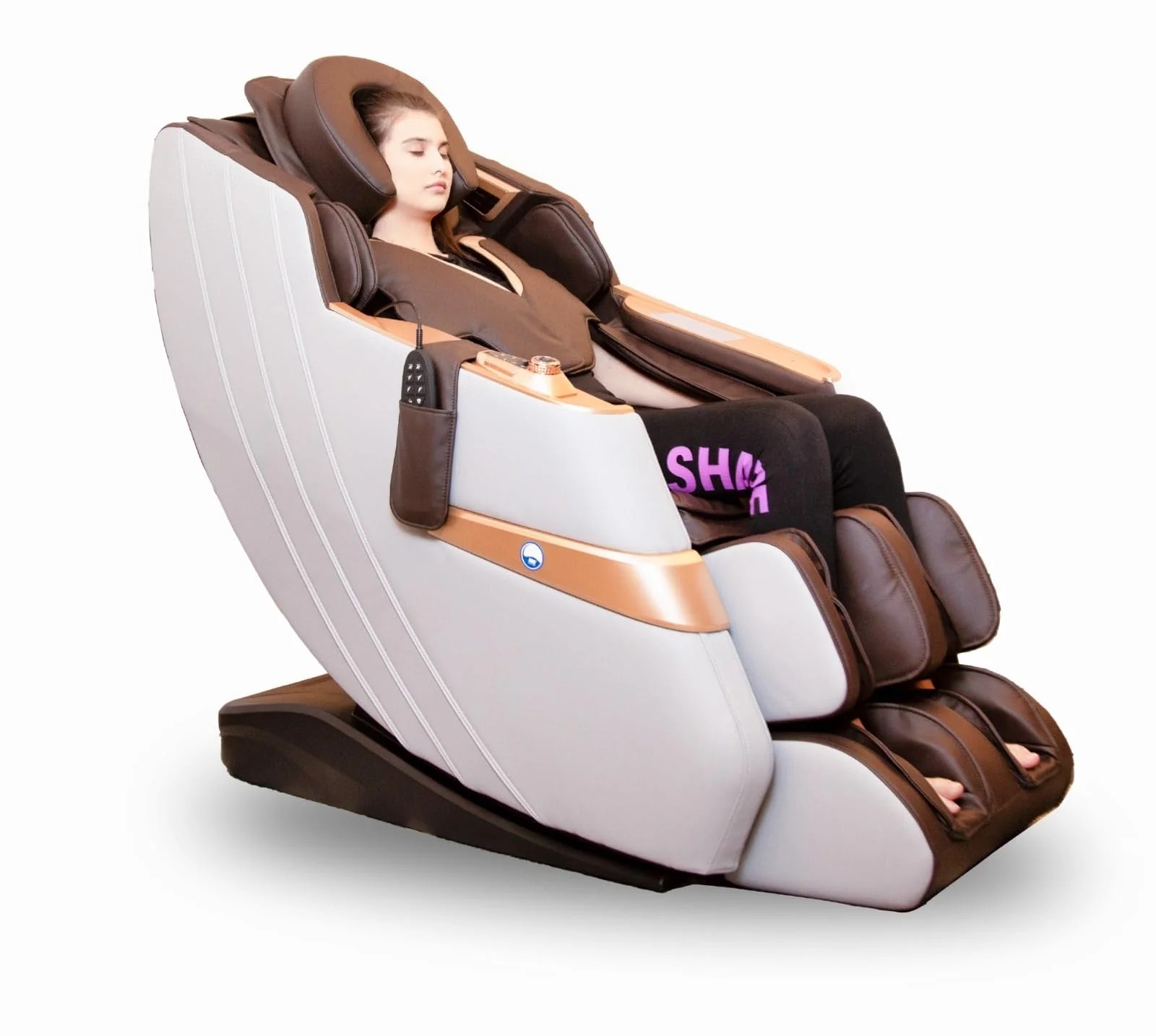
Massage chairs have become increasingly popular as a convenient method for muscle relief, especially after intense workouts. Many fitness enthusiasts and athletes seek effective ways to recover faster and reduce muscle soreness, leading them to explore various recovery tools, including massage chairs. But do these devices genuinely help with muscle relief after exercise?
After a strenuous workout, muscles often experience microtears and inflammation, which can result in stiffness and discomfort. Proper recovery is essential to promote healing and prevent injury. Massage therapy has long been recognized for its benefits in reducing muscle tension, improving circulation, and enhancing relaxation. Massage chairs aim to replicate some of these therapeutic effects through mechanical means.
One of the primary ways massage chair reviews chairs assist with muscle relief is by increasing blood flow to the affected areas. Improved circulation helps deliver oxygen and nutrients necessary for tissue repair while also facilitating the removal of metabolic waste products like lactic acid that accumulate during exercise. This enhanced blood flow can accelerate recovery times and reduce feelings of soreness or tightness.
Additionally, massage chairs use various techniques such as kneading, rolling, tapping, and vibration to target different muscle groups. These movements mimic traditional massage strokes that help break down adhesions within muscles-small knots or tight spots that develop due to overuse or strain. By loosening these adhesions, massage chairs can improve flexibility and range of motion post-workout.
Another benefit is the stimulation of the parasympathetic nervous system through gentle pressure applied by the chair’s rollers or airbags. This activation promotes relaxation by lowering heart rate and cortisol levels-hormones associated with stress response-thus aiding both physical recovery and mental well-being after exercise.
However, it is important to note that while massage chairs offer significant advantages for muscle relief, they are not a complete substitute for professional manual therapy when dealing with severe injuries or chronic conditions. The intensity of some machines may not match that provided by skilled therapists who can tailor pressure based on individual needs.
Moreover, users should approach usage cautiously; excessive use might lead to bruising or aggravate certain muscular issues if done improperly. It is advisable to start with shorter sessions at lower intensities while monitoring how one’s body responds before gradually increasing duration or strength settings.
In conclusion, massage chairs can be an effective tool for alleviating post-workout muscle soreness by promoting better circulation, relaxing tense muscles, breaking down adhesions, and encouraging overall relaxation. When incorporated thoughtfully into a comprehensive recovery routine-including proper hydration, nutrition, stretching exercises-and used responsibly alongside other therapies if needed-they provide valuable support in speeding up muscle repair processes following physical exertion.
Copyright © All rights reserved | Pulp Originals